

Here’s something I never learned in dietetics school, and I’d guess your doctor hasn’t mentioned it either: two foods can have virtually identical nutrition labels—same calories, same fiber, same fat—and do completely different things inside your body.
Not because of some mystery ingredient. Not because one is “clean” and one is not. But because of physical structure.
The emerging science around what researchers call food matrix collapse is, in my opinion, one of the most important—and most underexplained—shifts in nutrition thinking in decades.[2, 3] And once you understand it, you’ll never look at a food label the same way again. More importantly, you’ll feel a lot less confused about why eating “healthy” sometimes doesn’t feel like it’s working.
First, What Even Is a Food Matrix?
Every whole food comes with a built-in architecture. It’s not random—it’s biological engineering at its finest.
Think about cracking open a walnut. The fat inside those wrinkled little lobes isn’t just floating there—it’s locked inside intact cell walls. Or picture biting into a crisp apple: those sugars are physically trapped within a web of fiber and cellular structure. Your digestive system has to work to liberate them.
That architecture is the food matrix. It includes:
- The cell walls surrounding starches in beans and lentils
- The fibrous compartments threaded through whole fruit
- The intact bran and germ layers wrapped around a whole grain
- The cellular framework holding fat inside nuts and seeds
Nature packaged these nutrients in a structure for a reason. And when we eat food the way nature built it, our bodies know exactly what to do with it.
The problem is what happens when we undo that packaging entirely.
When We Collapse the Structure, We Change Everything
Ultra-processing isn’t just about adding sugar or artificial ingredients—it’s about dismantling the physical structure of food. The techniques used include:
- Fine milling (grinding grains into dust-fine flour)
- Extrusion (forcing ingredients through high-heat, high-pressure machinery)
- Pre-gelatinization
- Emulsification
- Hydrogenation
- High-pressure mechanical disruption
What comes out the other side? Researchers call them acellular nutrients—nutrients that are no longer sitting inside any intact cellular structure.[3] They’re exposed. Naked, if you will. And your gut absorbs them in a completely different way.
It’s the difference between a locked room and an open one. Either way the furniture exists—but how quickly you can access it changes everything.
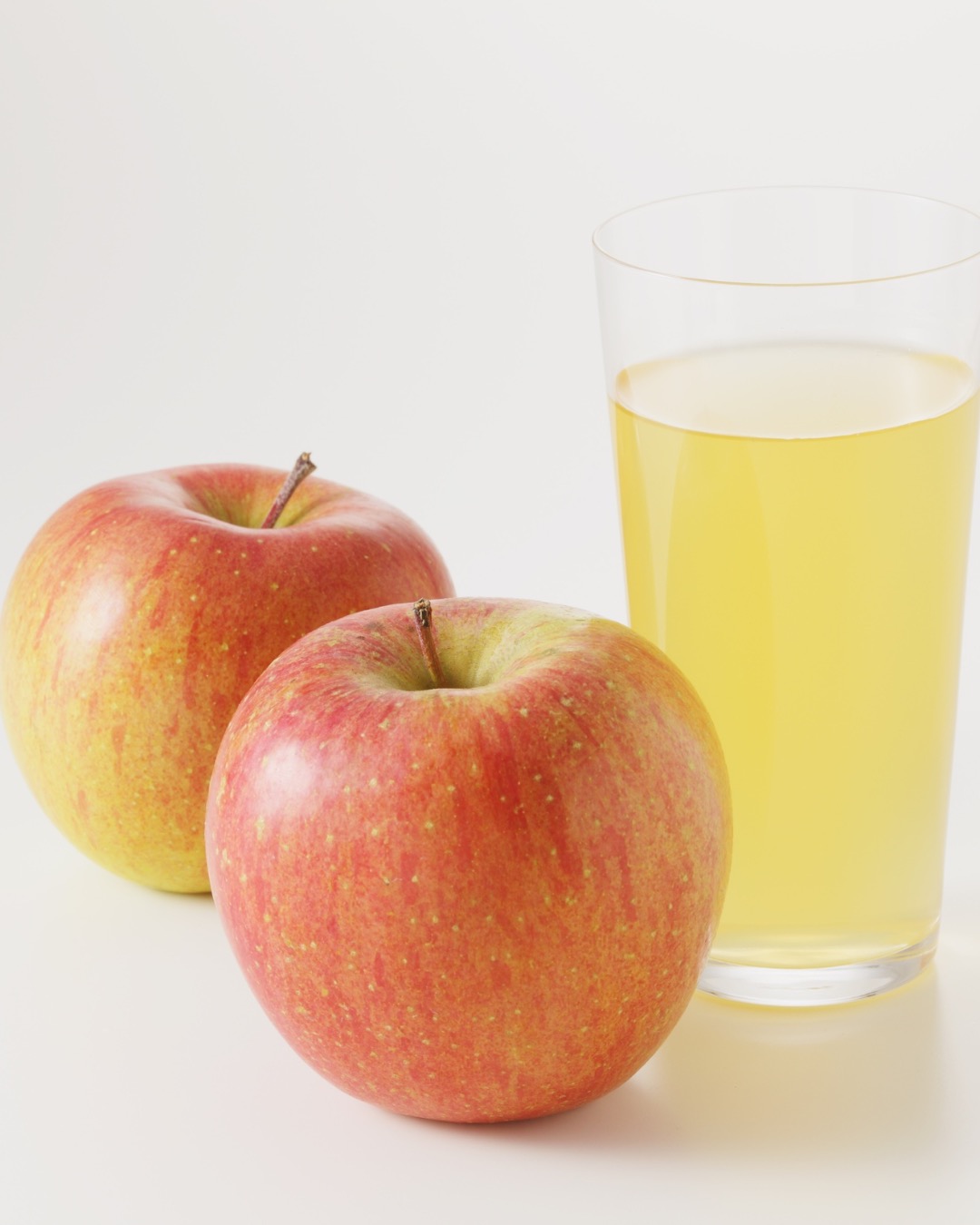
The clearest example I use with clients: a whole apple versus apple juice.
Same fruit. Same sugar. But in the apple, that sugar is physically encased within fiber and cell walls. Your body has to work through the structure to get to it—which slows absorption, blunts the blood sugar spike, and delivers the fiber to your colon where your gut microbes are waiting for it.
Apple juice? The cellular structure is largely gone. Sugar hits your bloodstream fast. The fiber never makes it downstream. And two hours later you’re hungry again wondering what happened.
That’s not a willpower story. That’s a physics story.
Why Ultra-Processed Foods Make You Eat More (Without Trying To)
This is where the research gets really fascinating—and honestly a little wild.
In a tightly controlled clinical crossover trial, participants eating an ultra-processed diet consumed about 813 more calories per day than when they ate a minimally processed diet—and they weren’t told to eat more. They just did. Spontaneously. Automatically.[8]
Why? The researchers tracked eating rate, chews per bite, meal duration. People on the ultra-processed diet ate faster, chewed less, and finished sooner.[8] And that matters more than most people realize.
Your Mouth Is Part of Digestion

I know that sounds obvious but hear me out. Most of us think digestion starts in the stomach. It doesn’t—it starts the moment food hits your mouth.
Chewing harder foods takes time. That time matters because your brain needs roughly 15–20 minutes to register incoming calories and begin releasing fullness signals. Harder-textured foods slow the whole eating experience down and give the brain a chance to catch up.
Studies consistently show that harder food textures reduce calorie intake by around 20–30% compared to softer versions of the same food.[9, 11] Not because people decide to eat less. Because their biology catches up.
In practice, that looks like this:
- Steel-cut oats keep you full longer than instant oats (same oats, completely different texture)
- A whole carrot outperforms carrot puffs—same vegetable, radically different eating experience
- Whole nuts keep you satisfied longer than many nut-based snack products
- Intact grain bread behaves differently in your body than ultra-refined sandwich bread
This isn’t about eating slowly because someone told you to. It’s about choosing foods that make slowing down the natural outcome.
What Happens Further South: The Gut Microbiome Connection
If you’ve heard anything about the microbiome lately, you know your gut bacteria are running a surprisingly large part of your health show—immune function, mood, inflammation, metabolism. What you may not know is how profoundly food structure affects what those microbes actually receive.
When food stays structurally intact through your upper digestive tract, a few important things happen by the time it reaches your colon:
- Resistant starch arrives intact for your bacteria to ferment
- More fiber makes it to the right destination
- Beneficial bacteria—particularly species like Faecalibacterium—get nourished
- Those bacteria produce short-chain fatty acids (SCFAs) as a byproduct
SCFAs are genuinely exciting. They stimulate the release of GLP-1 and PYY—hormones that signal fullness and regulate appetite.[13, 14] In other words, your gut bacteria help you feel satisfied after eating. But only if they’re getting fed the right material.
When food structure is collapsed before it ever reaches your colon, nutrients get absorbed too high up in digestion. Your microbes get less. They produce fewer SCFAs. Your satiety hormones underperform. And you end up hungrier than you should be after eating plenty of food.
Beyond that, research shows that diets high in ultra-processed foods are associated with lower microbial diversity, increased intestinal permeability (sometimes called “leaky gut”), and greater inflammatory signaling.[15, 17] Many ultra-processed foods also contain emulsifiers, artificial sweeteners, and stabilizers that appear to directly influence microbial balance.[17]
If you’re dealing with bloating, unexplained weight gain, insulin resistance, or chronic inflammation, this connection is worth paying serious attention to.
The Part That Challenges Everything We Thought We Knew
For years, nutrition research tried to explain why ultra-processed foods were harmful by pointing to what was in them: more sugar, more sodium, more saturated fat. Made sense on the surface.
But newer research is complicating that story in a very interesting way. Multiple large reviews have found that the association between ultra-processed food consumption and chronic disease risk holds even after you control for sugar intake, sodium, fat, and fiber.[1, 18]
Two diets can look nearly identical on a nutrition label—and the one built around ultra-processed foods may still carry greater disease risk.[6, 21]
That finding is significant. It means we can’t fully explain what ultra-processed foods do to us just by analyzing their macronutrients. The structure itself is part of the biological story.
I Want to Say Something Clearly: Not All Processing Is the Problem
Fear-based nutrition drives me crazy, and I’m not going to contribute to it here. Processing is not the enemy. Processing exists on a spectrum, and a lot of it genuinely serves us.
Helpful processing that preserves or improves food:
- Freezing vegetables (locks in nutrients at peak)
- Fermenting foods (increases beneficial bacteria and bioavailability)
- Canning beans (makes them accessible and shelf-stable)
- Pasteurizing dairy (safety without meaningfully disrupting nutrition)
- Grinding spices
The goal isn’t raw, unprocessed purity. The goal is preserving enough of the food’s original physical structure that your body’s normal signaling systems can work the way they’re designed to.
That’s a very different—and much more livable—standard.
What I Actually Tell Clients
I rarely hand clients a list of forbidden foods or tell them to scan ingredient labels for every additive. In my experience, that approach creates anxiety, not health.
One Question for the Grocery Store
Does this food still resemble what it came from? A potato that looks like a potato. A bean that looks like a bean. An oat that looks like an oat. That question cuts through a lot of noise.
In practical terms, I encourage moving toward:
- Steel-cut or rolled oats over instant oats or extruded puffs
- Whole fruit over juice or fruit-flavored snacks
- Beans, lentils, and legumes in their recognizable form
- Nuts and seeds rather than highly processed nut-based products
- Intact whole grains over refined flour products
- Vegetables with actual texture—something that requires chewing
And when ultra-processed foods show up—because they will, because life—I’m not alarmed. One fascinating study found that even highly processed meals increased fullness when they were designed with harder textures.[12] Which tells us that slowing the eating experience down matters even when the food itself isn’t ideal.
The Most Hopeful Part of All of This
Here’s what I want you to walk away with, because I think it often gets buried under the complexity:
You don’t need a perfect diet. You don’t need to eliminate every processed food. You don’t need to spend hours reading labels or calculating fiber grams.
What you need is a shift in the question you’re asking about food.
Instead of: “How many calories does this have?”
Try: “How much of the original food structure is still here?”
That one reframe—from nutrient math to structural integrity—is often more powerful than any elimination diet or supplement protocol I’ve ever recommended. Because when you choose foods that are closer to the way they were built, your hunger hormones, your gut microbiome, your metabolism, and your satiety signals all start working together the way they were designed to.
Your food has an architecture. Your body already knows how to eat well. It just needs food that still looks like food.
Visual GuideYour Food Has an Architecture →
I made a one-page visual guide to this idea—the whole-apple-vs-juice breakdown, the research at a glance, and what it means at the grocery store. Take a look.
Disclaimer: This article is for educational purposes only and is not intended as medical advice, diagnosis, or treatment. Always consult your physician or qualified healthcare provider before making significant dietary or lifestyle changes, especially if you are pregnant, breastfeeding, taking medications, or managing a medical condition.
If you want to seek personalized care with group or one-on-one sessions, then contact me here.
If you want to check out labs and supplements, then check out my Fullscript.
I use Fullscript to ensure you receive high-quality, professional-grade supplements. As a practitioner, I receive a margin on products purchased through my dispensary, which supports the time I spend researching these recommendations for you.
Reference List
- 1. Srour B, Kordahi MC, Bonazzi E, et al. Ultra-Processed Foods and Human Health: From Epidemiological Evidence to Mechanistic Insights. The Lancet Gastroenterology & Hepatology. 2022.
- 2. Wahlqvist ML. Food Structure Is Critical for Optimal Health. Food & Function. 2016.
- 3. Capuano E, Pellegrini N. An Integrated Look at the Effect of Structure on Nutrient Bioavailability in Plant Foods. Journal of the Science of Food and Agriculture. 2019.
- 4. Anderer S. Ultraprocessed Foods and Cardiometabolic Health—New Report on a “Growing Public Health Challenge.” JAMA. 2025.
- 5. Juul F, Vaidean G, Parekh N. Ultra-Processed Foods and Cardiovascular Diseases: Potential Mechanisms of Action. Advances in Nutrition. 2021.
- 6. Basile AJ, Ruiz-Tejada A, Mohr AE, et al. Food Processing According to the NOVA Classification Is Not Associated With Glycemic Index and Glycemic Load. The American Journal of Clinical Nutrition. 2024.
- 7. Monteiro CA, Louzada ML, Steele-Martinez E, et al. Ultra-Processed Foods and Human Health: The Main Thesis and the Evidence. The Lancet. 2025.
- 8. Hamano S, Sawada M, Aihara M, et al. Ultra-Processed Foods Cause Weight Gain and Increased Energy Intake Associated With Reduced Chewing Frequency: A Randomized, Open-Label, Crossover Study. Diabetes, Obesity & Metabolism. 2024.
- 9. Teo PS, Lim AJ, Goh AT, et al. Texture-Based Differences in Eating Rate Influence Energy Intake for Minimally Processed and Ultra-Processed Meals. The American Journal of Clinical Nutrition. 2022.
- 10. Lasschuijt M, Camps G, Mars M, et al. Speed Limits: The Effects of Industrial Food Processing and Food Texture on Daily Energy Intake and Eating Behaviour in Healthy Adults. European Journal of Nutrition. 2023.
- 11. Bolhuis DP, Forde CG, Cheng Y, et al. Slow Food: Sustained Impact of Harder Foods on the Reduction in Energy Intake Over the Course of the Day. PLoS One. 2014.
- 12. Teo PS, Lim AJ, Goh AT, et al. Impact of Food Texture and Degree of Food Processing on Post-Meal Satiety and Later Snack Intake. Appetite. 2026.
- 13. Dagbasi A, Lett AM, Murphy K, Frost G. Understanding the Interplay Between Food Structure, Intestinal Bacterial Fermentation and Appetite Control. The Proceedings of the Nutrition Society. 2020.
- 14. Fava F, Rizzetto L, Tuohy KM. Gut Microbiota and Health: Connecting Actors Across the Metabolic System. The Proceedings of the Nutrition Society. 2019.
- 15. Lengelé L, Autuori M, Bosteels E, et al. Link Between Ultra-Processed Foods and Drinks Intake, Gut Microbiota and Inflammation: An Exploratory Analysis in Adult Volunteers. Nutrition Journal. 2026.
- 16. Silva-Luis CC, Trindade da Costa PC, Baccin Martins VJ, de Brito Alves JL. The Influence of Ultra-Processed Foods on Gut Microbiome and Inflammatory Markers in Schoolchildren From Northeastern Brazil. Journal of Pediatric Gastroenterology and Nutrition. 2026.
- 17. Whelan K, Bancil AS, Lindsay JO, Chassaing B. Ultra-Processed Foods and Food Additives in Gut Health and Disease. Nature Reviews Gastroenterology & Hepatology. 2024.
- 18. Lane MM, Gamage E, Du S, et al. Ultra-Processed Food Exposure and Adverse Health Outcomes: Umbrella Review of Epidemiological Meta-Analyses. BMJ. 2024.
- 19. Guasti L, Bonaccio M, Abreu A, et al. Ultra-Processed Foods, Lifestyle Management, and Cardiovascular Diseases: A Clinical Consensus Statement of the European Society of Cardiology. European Heart Journal. 2026.
- 20. Lichtenstein AH, Appel LJ, Vadiveloo M, et al. 2021 Dietary Guidance to Improve Cardiovascular Health: A Scientific Statement From the American Heart Association. Circulation. 2021.
- 21. Vadiveloo MK, Gardner CD, Bleich SN, et al. Ultraprocessed Foods and Their Association With Cardiometabolic Health: A Science Advisory From the American Heart Association. Circulation. 2025.
- 22. Juul F, Martinez-Steele E, Parekh N, Monteiro CA. The Role of Ultra-Processed Food in Obesity. Nature Reviews Endocrinology. 2025.